The stability of power grids is crucial as the world shifts toward renewable energy. Support Grid Frequency and Voltage Stabilization are essential to maintaining balance and reliability. As renewable sources like wind and solar integrate more into energy systems, they introduce variability. This fluctuation can lead to frequency and voltage instability.
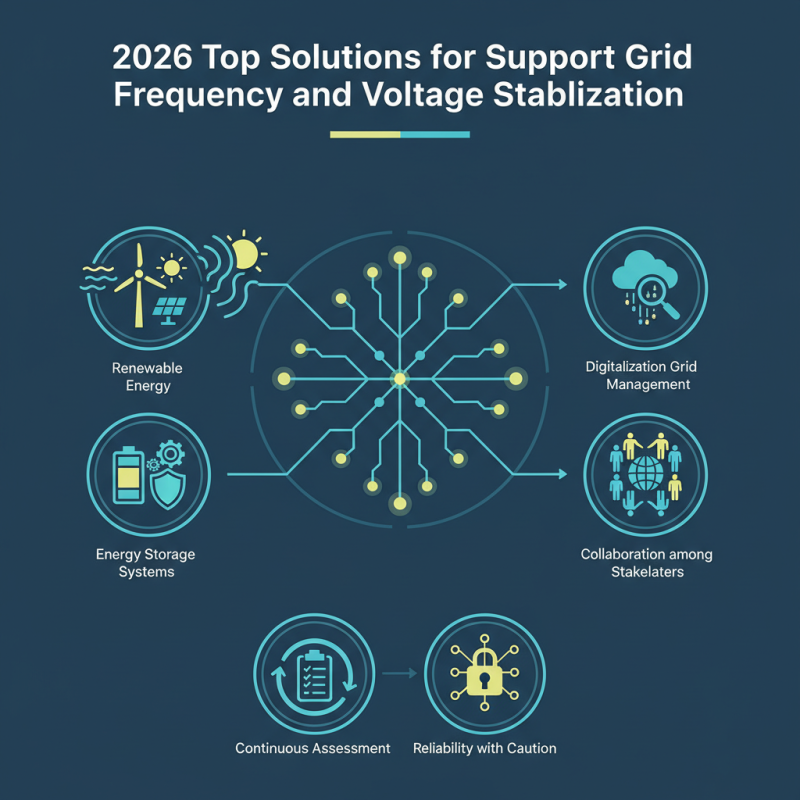
In 2026, key solutions will emerge to tackle these challenges. Advanced technologies, such as energy storage systems and smart grid solutions, play a critical role. These systems will provide necessary support to stabilize frequencies and voltages. Moreover, increased digitalization can enhance grid management.
Yet, there is a need for caution. While solutions are promising, they are not without challenges. Over-reliance on technology may introduce vulnerabilities. Ensuring a reliable grid also requires collaboration among stakeholders. Continuous assessment of methods will be vital in navigating the evolving landscape of energy stabilization.
Current Challenges in Grid Frequency and Voltage Stabilization
The challenges of grid frequency and voltage stabilization are increasingly critical as we transition to renewable energy sources. Recent data indicates that renewable penetration reached 29% of global generation capacity in 2022. However, fluctuating generation from sources like wind and solar creates instability. A study by the National Renewable Energy Laboratory found that grid operators must enhance techniques to manage these variations effectively.
Frequency fluctuations can lead to serious operational issues, with even slight drops causing equipment damage. According to the Electric Power Research Institute, a 1% frequency drop can result in a 2% voltage drop, affecting many consumers. Moreover, integrating energy storage systems presents both opportunities and challenges. Efficient use of battery storage can smooth out renewable generation, but advanced management systems are necessary to handle rapid changes in demand and supply.
Though smart grid technologies promise improved frequency control, many systems remain outdated. A report from the International Energy Agency highlights that 50% of global transmission networks still lack advanced monitoring capabilities. This gap needs urgent attention. Addressing infrastructure updates and enhancing grid flexibility is vital. As we explore solutions, the complexity of harmonizing renewable sources with existing grid structures presents an ongoing dilemma.
Innovative Technologies for Frequency Support in Power Grids
Innovative technologies are rapidly transforming the landscape of power grid frequency and voltage stabilization. These advancements aim to enhance grid reliability while integrating renewable energy sources. As we move toward 2026, new methods will emerge to ensure that frequency remains stable despite fluctuations in supply and demand. Energy storage systems, such as advanced batteries, can provide rapid response times to maintain equilibrium. Their ability to store excess energy for later use becomes crucial in managing peak loads.
Distributed energy resources also play a vital role. Microgrids and virtual power plants allow for localized energy management. These systems can adjust output quickly based on real-time data, a significant improvement over traditional power systems. However, there are challenges. Ensuring interoperability among different technologies remains complex. The varied capabilities of these systems may lead to integration hurdles. While many solutions show promise, thorough testing and reliable data are essential for validation.
The growing reliance on data analytics is another aspect of this evolution. Predictive algorithms can analyze grid conditions to anticipate disturbances. This proactive approach allows grid operators to address issues before they escalate. Yet, data management poses risks. Cybersecurity threats loom large, necessitating robust protection measures. Developing solutions requires collaboration across the energy sector. Engaging multiple stakeholders could foster innovation and enhance system resilience.
Advancements in Energy Storage Systems for Voltage Regulation
As we move towards a more electrified future, effective voltage regulation becomes critical. Energy storage systems (ESS) play a vital role in maintaining grid stability. Recent studies show that incorporating ESS can reduce voltage fluctuations by up to 30%. This capability is crucial during peak demand periods and helps prevent outages.
Various technologies contribute to advancements in ESS. Lithium-ion batteries dominate the market, but emerging solutions like flow batteries are gaining traction. These systems offer longer discharge times and enhanced lifespan. Data indicates that flow batteries can sustain operations for over 10,000 cycles. This longevity addresses concerns about battery disposal and sustainability, crucial for meeting regulatory standards.
However, challenges persist in energy storage technology. Performance under extreme temperatures is a significant issue. Some batteries lose efficiency in high heat, while others struggle in cold conditions. Moreover, integration with existing grid systems remains complex. A recent report highlights that 20% of energy storage projects face delays due to these integration issues. Continuous innovation is needed to tackle these challenges, ensuring reliable voltage regulation for the future.
2026 Top Solutions for Support Grid Frequency and Voltage Stabilization
The Role of Smart Grids in Enhancing Stability and Reliability
Smart grids play a crucial role in improving the stability and reliability of electrical systems. They utilize advanced technology to monitor and manage electricity flow. By incorporating real-time data analysis, smart grids can detect fluctuations in frequency and voltage. This immediacy helps maintain a consistent energy supply, crucial for both consumers and industries.
Despite these advancements, challenges remain. Cybersecurity threats can compromise the integrity of smart grid systems. Additionally, integrating renewable energy sources with existing infrastructure poses technical difficulties. Not all regions have the same access to these technologies, creating disparities in reliability. Therefore, while smart grids offer significant benefits, the implementation process requires careful consideration and planning to achieve true stability.
2026 Top Solutions for Support Grid Frequency and Voltage Stabilization
| Solution Type |
Description |
Benefits |
Implementation Timeframe |
| Energy Storage Systems |
Battery storage solutions that provide stability by absorbing excess energy. |
Enhances frequency control and grid reliability. |
1-3 years |
| Demand Response Programs |
Incentivizing consumers to reduce or shift their power usage during peak times. |
Reduces peak demand, alleviating stress on the grid. |
Ongoing |
| Smart Inverters |
Advanced inverters that contribute to grid stability by providing voltage support. |
Improves voltage regulation and grid responsiveness. |
1-2 years |
| Microgrids |
Localized grids that can operate independently or in conjunction with the main grid. |
Enhances resilience and local reliability. |
2-4 years |
| Grid Automation Technologies |
Technologies that improve the monitoring and management of electrical grids. |
Increases operational efficiency and reduces outages. |
1-3 years |
Regulatory Frameworks Supporting Grid Frequency and Voltage Solutions
Regulatory frameworks play a crucial role in supporting grid frequency and voltage stabilization. Effective policies can drive investments in innovative technologies. These technologies can enhance the reliability of power systems. Regulations also set standards that govern the operation of energy infrastructure.
Understanding local regulations is vital for developers. They help identify incentives for adopting solutions that stabilize the grid. Staying updated on policy changes is essential. These changes can open new avenues for support and funding.
Tip: Engage with local authorities to understand the regulatory landscape better. Regular communication can help in aligning strategies with evolving regulations. Consider forming partnerships with stakeholders to leverage combined expertise. This approach can create a more robust framework for addressing grid stability.
Developing solutions requires constant reflection. Not every technology or policy will fit every situation. Flexibility is key. Keeping an eye on emerging trends can guide future decisions. The path forward may not always be straightforward, but thoughtful adaptation can yield positive results.
FAQS
: Energy storage systems help maintain grid stability and can reduce voltage fluctuations by up to 30%.
Lithium-ion batteries dominate, but flow batteries are emerging. Flow batteries can last over 10,000 discharge cycles.
Performance issues occur in extreme temperatures. Integration with existing grid systems can also be complex.
Smart grids monitor electricity flow and detect fluctuations in real-time, ensuring a consistent energy supply.
Cybersecurity threats can compromise smart grid integrity, making it vital to have robust protective measures.
Local regulations can provide incentives and guide investments in technologies that stabilize the power grid.
Engaging with local authorities allows developers to better understand regulations and align their strategies accordingly.
About 20% of projects face delays due to integration issues with existing grid systems.
Not every solution fits every situation, so flexibility and reflection on emerging trends are essential.
Collaborating with stakeholders can combine expertise, creating more effective strategies for addressing grid challenges.
Conclusion
The article "2026 Top Solutions for Support Grid Frequency and Voltage Stabilization" addresses the pressing challenges faced in maintaining grid frequency and voltage stability in modern power systems. It highlights the various innovative technologies being developed to provide frequency support, including advanced automation and control systems. Additionally, the piece discusses the significant advancements in energy storage systems that offer effective voltage regulation, thereby enhancing grid performance.
Moreover, the role of smart grids is emphasized as a crucial element in improving overall stability and reliability of power networks. The article further examines the regulatory frameworks that are essential for facilitating the adoption of these technologies, ensuring that efforts to support grid frequency and voltage stabilization are both effective and sustainable in the long term.
 June Power
