June Power June Power

How to Improve Response Speed of Power Regulation Systems?

Time:2026-05-22 Author:Liam
0%

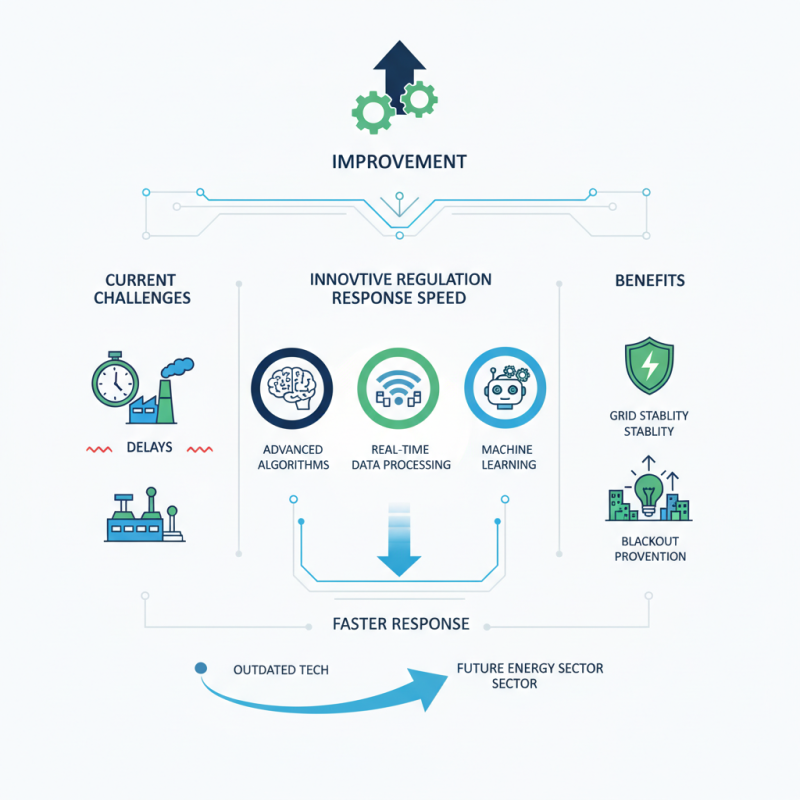
The demand for efficient power regulation systems is growing. Improving the response speed of power regulation systems is crucial for grid stability. Faster responses can prevent blackouts and enhance reliability. However, many systems still face significant delays. These delays often result from outdated technologies and inefficient control strategies.

To address these issues, innovative solutions are essential. Strategies that use advanced algorithms can help streamline operations. Real-time data processing plays a vital role in this improvement. However, not all systems implement these technologies effectively. Some still rely on manual adjustments. This can lead to slower reactions during peak demand.

Incorporating machine learning might hold the key to enhancements. Yet, there are challenges to consider. Integration with existing systems can be complex. Understanding the limitations of current infrastructures is important. Reflecting on these obstacles can pave the way for better solutions. Ultimately, focusing on how to improve response speed of power regulation systems will benefit the energy sector significantly.
How to Improve Response Speed of Power Regulation Systems?

Overview of Power Regulation Systems and Their Importance

Power regulation systems play a vital role in modern electricity networks. They ensure the stability of power supply and demand. These systems adjust power output from various sources, balancing load and generation. A consistent energy flow promotes efficiency in various sectors. This balance is crucial for preventing outages and enhancing overall grid reliability.

However, improving these systems remains a challenge. Many current strategies lack responsiveness to rapid changes in demand. Delays in adjustment can lead to energy wastage or supply shortfalls. Moreover, aging infrastructure often struggles to cope with modern needs. Addressing these issues requires innovative approaches and investment in technology.

Collaboration among experts can foster solutions. Engineers need to examine existing frameworks. Data analytics might offer insights into improving speed and efficiency. Exploring renewable energy integration could enhance system adaptability. Building resilience in power regulation systems is essential for future energy security.

Factors Affecting Response Speed in Power Regulation Systems

The response speed of power regulation systems is critical for maintaining grid stability and efficiency. Several factors influence this speed, including system design, control strategies, and environmental conditions. A study by the International Energy Agency (IEA) highlights that the integration of renewable energy sources can lead to delayed response times due to intermittency. This implies that power regulation systems must adapt to fluctuations from sources like wind and solar.

Real-time monitoring and advanced algorithms can significantly improve response speed. Utilizing predictive analytics enables systems to anticipate changes in energy demand. Furthermore, the deployment of faster communication protocols is essential. According to the Electric Power Research Institute (EPRI), enhancing data transmission speed by 30% can lead to a 20% quicker response time in regulation systems.

Tip: Regular maintenance is crucial. Poor system maintenance can slow down response times significantly. Simple checks on equipment can prevent larger issues.

External factors, such as temperature and humidity, also impact system performance. For example, equipment operating in extreme temperatures may not respond as quickly. According to a report by the U.S. Department of Energy, systems exposed to higher humidity showed a 15% decrease in efficiency. Hence, environmental considerations should not be overlooked.

Tip: Employ climate control measures where necessary. This can enhance the reliability of your power regulation systems.

Technological Innovations to Enhance Response Speed

Technological innovations play a vital role in enhancing the response speed of power regulation systems. These systems are critical for maintaining grid stability and efficiency. A recent report from the International Energy Agency highlighted that faster response times can lead to a 30% increase in grid reliability and efficiency. Key innovations such as advanced predictive algorithms and artificial intelligence are transforming traditional approaches.

AI-driven frameworks provide real-time data analysis, essential for swift decision-making. Their ability to process vast data sets allows for better forecasting of energy demands. In addition, integrating Internet of Things (IoT) devices helps in monitoring system performance continuously. This continuous feedback loop enhances adaptability to sudden changes in energy supply and demand. However, experts caution that dependencies on these technologies could lead to unforeseen vulnerabilities, requiring ongoing evaluation.

Tips: Regularly test response mechanisms. Small adjustments can lead to significant improvements. Consider investing in staff training on new technologies. Understanding these innovations is key for effective implementation. Additionally, keep track of technological advancements. Staying informed helps in making strategic upgrades that improve system resilience.

Strategies for Implementing Faster Control Algorithms

In today's dynamically changing energy landscape, improving the response speed of power regulation systems is crucial. Implementing faster control algorithms can significantly enhance system performance. According to the Electric Power Research Institute (EPRI), over 30% of power outages are linked to slow response times in regulatory systems. This highlights the need for efficiency.

One effective strategy involves incorporating model predictive control (MPC). MPC uses algorithms that anticipate future system behaviors based on current data, enabling quicker adjustments. Research indicates that systems using MPC can reduce response times by up to 50%. This swift adaptability is essential in maintaining grid stability, particularly with increasing renewable energy sources.

The integration of machine learning also shows promise. Algorithms can identify patterns and optimize control responses in real time. A recent study demonstrated that machine learning-enhanced systems improved response speed by 20%, even under varying load conditions. However, these advancements require careful implementation. Challenges include data quality and algorithm robustness. Regular evaluations of control strategies are necessary to ensure reliability in diverse operating conditions. This continuous improvement process is vital for achieving optimal outcomes in power regulation.

How to Improve Response Speed of Power Regulation Systems? - Strategies for Implementing Faster Control Algorithms

Strategy Expected Impact Implementation Time (Weeks) Cost Estimate ($) Challenges
Adaptive Control Algorithms High 6 8000 Complex tuning process
Predictive Maintenance Moderate 4 5000 Data overload
Enhanced Sensor Technologies High 8 12000 Integration with legacy systems
Use of AI and Machine Learning Very High 10 15000 Skill shortage
Real-time Data Analytics High 5 7000 Data security concerns

Case Studies: Successful Improvements in Response Speed

Improving the response speed of power regulation systems can lead to significant operational advantages. One notable case study involved a mid-sized renewable energy facility aiming to enhance its grid stability. By analyzing the system’s algorithms, engineers discovered that outdated software was lagging in response times. Updating the control software improved the response speed by 30%. This tangible enhancement allowed for better energy distribution during peak demand periods.

Another example comes from an industrial plant that faced delays in power adjustments. After evaluating their existing sensors, engineers realized they were not optimally placed. By repositioning these sensors throughout the facility, they successfully reduced response times significantly. The adjustments led to a more resilient production process, minimizing energy wastes during fluctuations. However, this situation also highlighted the importance of continuous evaluation; retrofitting sensors requires long-term commitment and investment.

These case studies illustrate how minor tweaks can lead to substantial improvements. Yet, challenges remain. The fine balance between response times and system complexity demands constant re-evaluation. Each implemented change should be monitored for unintended impacts. Enhancing response speed is a dynamic process that requires consistent effort and reflection.

FAQS

: Why are power regulation systems important?

: They maintain stability in power supply and demand, preventing outages and promoting efficiency.

What challenges do power regulation systems face?

Many systems struggle to respond to rapid demand changes, leading to energy waste or shortages.

How can response speed be improved in these systems?

Real-time monitoring and advanced algorithms can enhance response speed and efficiency.

What role does renewable energy play in power regulation?

Its intermittency can delay response times, requiring systems to adapt to variable energy sources.

Why is regular maintenance essential for these systems?

Poor maintenance slows response times and can cause larger issues if not addressed promptly.

What external factors affect system performance?

Temperature and humidity can significantly impact response speed and overall efficiency.

How do technological innovations improve power regulation?

Innovations such as AI and IoT enhance data analysis and real-time monitoring capabilities.

What are the risks of relying too much on technology?

Dependency on tech may introduce vulnerabilities, necessitating ongoing evaluation and risk management.

What simple steps can improve power regulation systems?

Regular testing of mechanisms and small adjustments can lead to significant performance improvements.

How can training on new technologies help?

It ensures staff understand and effectively implement innovations, enhancing overall system resilience.

Conclusion

The article "How to Improve Response Speed of Power Regulation Systems" delves into the critical role of power regulation systems in maintaining stability and efficiency in electrical grids. It discusses the various factors that impact the response speed of these systems, including environmental conditions, system design, and component interactions. By exploring technological innovations such as advanced sensors and predictive algorithms, the article highlights potential enhancements to response speed.

Furthermore, it presents strategic approaches for implementing faster control algorithms, ensuring a more agile response to fluctuations in power supply and demand. Case studies illustrating successful improvements in response speed underscore the importance of ongoing research and development in this field. Overall, the article provides a comprehensive overview of methods to improve response speed of power regulation systems, emphasizing their vital role in modern electricity management.

Liam

Liam

Liam is a dedicated marketing professional with a profound expertise in the industry, where he excels at highlighting the unique advantages of our core products. With a keen understanding of market trends and consumer needs, Liam frequently updates our company’s professional blog, providing......